Preparing for Climate Change as a Small Business
Let’s be honest – climate change isn’t just some far-off problem anymore. It’s here, and it’s already starting to affect our lives, our communities, and yep – our businesses too. Floods, heatwaves, supply chain issues, rising costs… it’s a lot. And if you run a small business, you’re probably feeling the pressure to keep things going while everything around you seems a bit out of control.
But here’s the good news: small businesses are surprisingly good at adapting. We’re used to rolling with the punches, thinking on our feet, and making things work when the odds are stacked against us. So, let’s talk about what you can actually do to get your business ready for the impacts of climate change – and maybe even turn a few of those challenges into opportunities while you’re at it.
Why Small Businesses Need to Prepare
First things first – why bother? Isn’t this more of a big corporation problem? You know, the kind of companies with massive warehouses and fleets of lorries?
Well, not really. Climate change affects everyone. If you’ve got a shopfront, a home office, a little cafe, or a workshop in your back garden, you’re just as likely (if not more) to be hit hard by extreme weather, rising energy prices, or disrupted deliveries.
Plus, customers are starting to pay more attention. More people are choosing to support businesses that care about the environment and are doing their bit. Being ready isn’t just about survival – it’s also about showing people you’re a responsible business that gives a toss.
Start with a Risk Check
Before you start changing everything, it helps to know what you’re up against. Every business is different, so you’ll need to think about your specific risks. Here’s a few questions to get you thinking:
- Is your premises at risk of flooding or overheating?
- Do you rely on deliveries from far away that could be affected by storms or fuel shortages?
- Do your staff or customers have trouble getting to you in extreme weather?
- Do you use equipment or materials that need to be kept at a certain temperature?
Once you’ve got a better idea of where the problems could crop up, you’ll be in a much better position to plan ahead.
Floods, Storms and Power Cuts – Oh My!
Let’s break it down a bit. The kind of problems climate change can throw at you often fall into a few buckets. Here’s some of the big ones:
Flooding

If your business is anywhere near a river, coast or low-lying land, flooding might already be on your radar. Even if you’ve never been flooded before, don’t assume it won’t happen. Wetter winters and freak rainstorms are getting more common across the UK.
Things you can do:
- Check your flood risk on the government’s website.
- Move valuable stock and equipment off the floor or into safer storage.
- Look into flood barriers or waterproof door seals – they’re not as pricey as you might think.
- Keep digital backups of all important documents and customer data in case your computer gets soaked.
Extreme Heat
Remember the heatwaves we’ve had the last couple of summers? It’s only going to get worse. If your workplace gets stuffy, it can be uncomfortable and even unsafe for your staff – not to mention any customers popping in.
Things you can do to keep your workplace cool:
- Use fans or portable air con units to keep things bearable.
- Let staff work different hours (earlier or later) to avoid the hottest part of the day.
- Keep cold water available and encourage regular breaks.
- Add shading to windows or use reflective blinds to keep the sun out.
Storms and Power Cuts
Strong winds, lightning and heavy rain can mess with power lines and cause outages. Even a short power cut can throw everything off if you rely on the internet, card machines or electric tools.
Things you can do to protect your business in a storm or pawercut:
- Have a backup power source, like a generator or UPS battery pack.
- Keep a paper copy of important phone numbers and orders in case your computer or Wi-Fi goes down.
- Invest in surge protectors to keep your gear from frying.
Supply Chain Snarls
Lots of businesses don’t think about how climate change can hit their supplies – until it’s too late. But it’s all connected. If you’re getting ingredients, products or parts from another region (or another country), those suppliers might be having their own climate struggles.
Here’s what you can do:
- Talk to your suppliers – ask if they have plans in place for extreme weather or shipping issues.
- See if you can find local alternatives for some of your materials or products.
- Keep a bit more stock than usual for the most important stuff, so you’re not caught short.
Energy Costs Going Up
We’ve all felt the pinch of rising energy prices, and climate change is only going to make things bumpier. Whether it’s heating, cooling or just keeping the lights on, energy is a huge cost for many small businesses.
Now’s the perfect time to make your place more energy efficient. It doesn’t need to be expensive either.
Quick wins include:
- Switching to LED lighting – uses less power and lasts longer.
- Draft-proofing doors and windows to keep the heat in during winter.
- Turning off stuff at the plug when you’re not using it.
- Looking into green tariffs or energy suppliers who use renewable power.
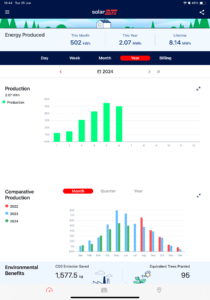
If you’ve got the budget for it, solar panels or better insulation could save you loads in the long run – and might even qualify for a grant or tax relief.
Staff Wellbeing and Flexible Working
Climate change can be tough on people too. Hotter days, extreme weather, and commuting problems can all affect your team’s wellbeing and productivity.
Being a good employer isn’t just about paying people on time – it’s about looking after them as human beings. And that means being flexible when things get hot, stormy or just a bit unpredictable.
Ideas to try:
- Let staff work from home if they can and if travel is disrupted.
- Allow flexible hours when the weather’s extreme.
- Keep communication open – let your team know what the plan is if things go pear-shaped.
Talking to Customers About It
Don’t be shy about telling your customers what you’re doing to prepare and reduce your environmental impact. People like to support businesses that care – and it can actually help build loyalty.
Ways to share your efforts:
- Post updates on your website or social media.
- Put up a little sign in your window or at your till.
- Add a short note to your email signature or invoices.
You don’t need to do everything all at once – just be honest about what you’re trying and what you’re learning along the way.
Think Long-Term
Let’s be real – climate change isn’t going away. So it makes sense to build resilience into your business from the ground up. That means making choices that might cost a bit more now, but save you money (and headaches) later.
Here’s a few long-term ideas to keep in mind:
- If you’re moving or renovating your premises, think about flood risk, energy efficiency and natural light.
- Get business insurance that covers climate-related damage – and read the small print!
- Plan for disruption – have a checklist or emergency plan you can follow if something happens.
Final Thoughts: Stay Adaptable
The truth is, no one has all the answers. The weather’s changing, systems are shifting, and the world is a bit unpredictable. But as a small business owner, you’ve probably dealt with all sorts of curveballs before – and you’ve made it through.
Preparing for climate change doesn’t mean panicking. It just means thinking ahead, making smart choices, and staying flexible. Start with the small stuff. Pick one or two changes you can make this week. Then build on that over time.
Climate change is a big challenge, sure. But it’s also a chance to build a business that’s stronger, greener, and more connected to the people and place around you. And that’s a future worth planning for.